

Factors affecting residential property value UAE
Two apartments in the same building, on different floors with different views, can differ in value by twenty per cent or more. Two villas on the same street, one renovated and one untouched, can be separated by even more. Understanding what drives those differences is not just useful for valuers. It is essential knowledge for anyone buying, selling or holding residential property in the UAE.
04 November 2026
Overview
Residential property values in the UAE are shaped by a combination of factors that interact differently across asset types and sub-markets. The broad headline figures, price per square foot, annual growth rates, transaction volumes, tell part of the story. The detail that determines the value of a specific property on a specific day is more granular, and it matters more to the individual investor or homeowner.
Key points
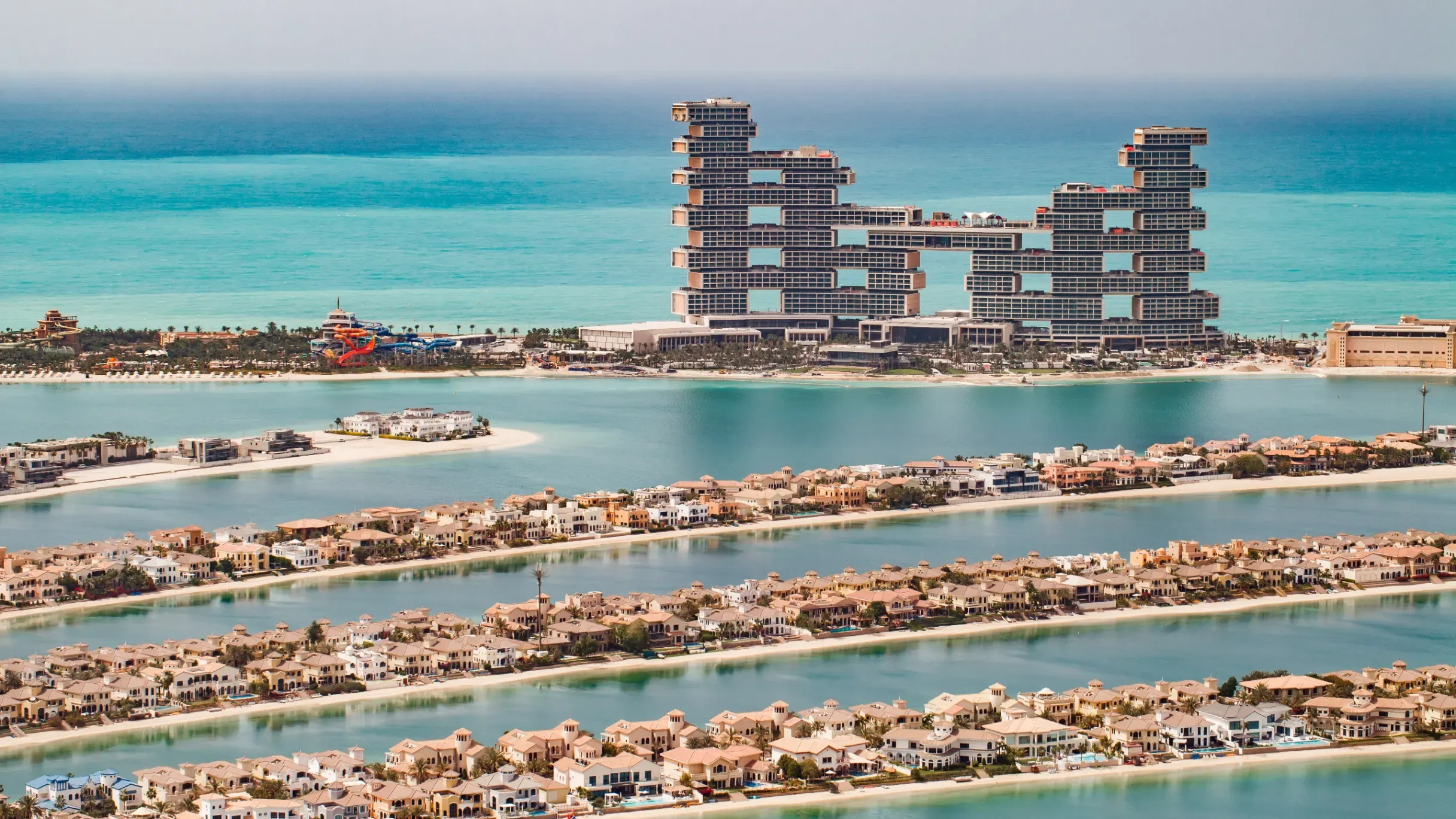
Location is the most powerful single driver of residential value in the UAE. Proximity to the Dubai Metro, major employment centres, schools, healthcare facilities and retail is consistently reflected in pricing. Waterfront positions, particularly on the Palm Jumeirah, Dubai Creek Harbour and Emaar Beachfront, command premiums that are durable across market cycles.
View is a major determinant within a building. Direct sea, creek or Burj Khalifa views can add fifteen to forty per cent to the value of an otherwise comparable unit. Higher floors generally achieve premium pricing, though the effect levels off at significant heights in the tallest towers.
Finishing quality and specification have a direct impact, as does developer reputation. Properties from established developers such as Emaar consistently achieve premiums over equivalent product from less well-known names. Buyers and investors attach a quality premium to the developer brand that is reflected in resale values as well as new launches.
Service charges are increasingly scrutinised, particularly by investment buyers focused on net yield. Properties with high service charges relative to the facilities provided are discounted in the market.
Supply and demand dynamics at sub-market level are as important as headline conditions. Communities with limited new supply and strong occupier demand consistently outperform areas where significant new development is completing.
What this means for UAE and MENA
Dubai's strong price growth between 2022 and 2024 was not uniform. Prime waterfront locations and branded residences significantly outperformed the broader market, driven by concentrated international demand. Mid-market apartments in corridors with heavy new supply saw much more modest appreciation.
For investors, this reinforces a point that experienced valuers know well. The location, the view, the developer, and the service charge structure are not secondary considerations. They are the factors that determine whether an asset outperforms or underperforms the market over a typical investment horizon.
Knight Frank's approach
Knight Frank's Residential Research team tracks price movements at sub-market levels across Dubai and Abu Dhabi, providing granular analysis that goes beyond headline statistics. Our valuers draw directly on this research when assessing comparable evidence, ensuring that every report reflects the specific value of drivers relevant to the property rather than broader market averages.
Frequently asked questions
Dubai's property market reflects strong international demand, limited supply in prime locations, a tax-free investment environment, a stable currency, and the city's continued growth as a global business and lifestyle destination. Strong inward migration and a buoyant rental market have provided sustained support for capital values.
Proximity to the Corniche and key employment districts, building quality, developer reputation and freehold versus leasehold status are the primary drivers. Freehold properties available to international buyers typically achieve premiums over comparable leasehold assets.
Yes, and significantly. Direct sea, creek or Burj Khalifa views can add fifteen to forty per cent compared with a comparable unit without those views. The effect is most pronounced in the luxury and super-prime segments.
Contact our Residential Valuation team to discuss your requirements.